Many common household problems involve systems most homeowners rarely think about—until something stops working. Whether it’s a leaking pipe, a failing water heater, or an air conditioner that suddenly stops cooling, knowing which professional to call can save time, money, and stress.
Both plumbing and HVAC systems play essential roles in maintaining a safe, functional home. Understanding what each system does—and the warning signs when something goes wrong—helps homeowners act quickly before small issues become expensive repairs.
This guide explains the differences between plumbing and HVAC systems, the most common problems homeowners face, and when it’s time to call the right professional.
Understanding the Difference Between Plumbing and HVAC
While both systems contribute to a functional home, they serve very different purposes.
Plumbing systems move water throughout the home. They handle supply lines, drains, fixtures, and appliances that rely on water.
Examples of plumbing systems include:
-
Water heaters
-
Sinks, toilets, and showers
-
Drain and sewer lines
-
Sump pumps
-
Water supply pipes
Homeowners typically need a plumber for issues like leaks, clogs, pipe damage, or problems with hot water. Services like plumbing repair or professional leak detection and repair address these types of problems.
HVAC systems, on the other hand, regulate indoor temperature and air quality. They include heating, cooling, and ventilation equipment that keeps a home comfortable year-round.
These systems include:
-
Air conditioners
-
Furnaces
-
Heat pumps
-
Ventilation systems
-
Air filtration and purification systems
Problems with temperature control, airflow, or system performance typically require an HVAC technician who specializes in HVAC repair or system diagnostics.
Signs You Should Call a Plumber
Plumbing issues often start small but can quickly escalate if ignored. Knowing the early warning signs helps homeowners prevent water damage and costly repairs.
Common reasons to call a plumber include:
Persistent Leaks
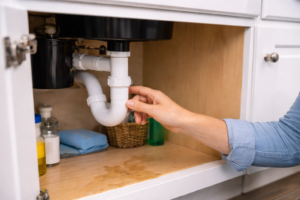
A dripping faucet or small pipe leak may seem minor, but leaks can waste water and cause structural damage over time. Professional pipe repair or pipe replacement may be necessary if the issue continues.
Slow or Clogged Drains
If sinks, tubs, or showers drain slowly, the problem could be deeper within the plumbing system. Professional drain cleaning and main line repair services help remove stubborn blockages and restore proper drainage.
No Hot Water
When hot water suddenly disappears—or runs out too quickly—the problem often involves the water heater. Technicians can inspect and repair systems or recommend upgrades through professional water heater services.
Basement Flooding or Sump Pump Issues
Homes with basements rely on sump pumps to prevent water accumulation. If your pump stops working or struggles during heavy rain, it may need professional service from a sump pump specialist.
Unusual Pipe Noises or Water Pressure Changes
Banging pipes, low water pressure, or sudden pressure spikes often indicate deeper plumbing problems that require inspection.
Signs You Should Call an HVAC Professional
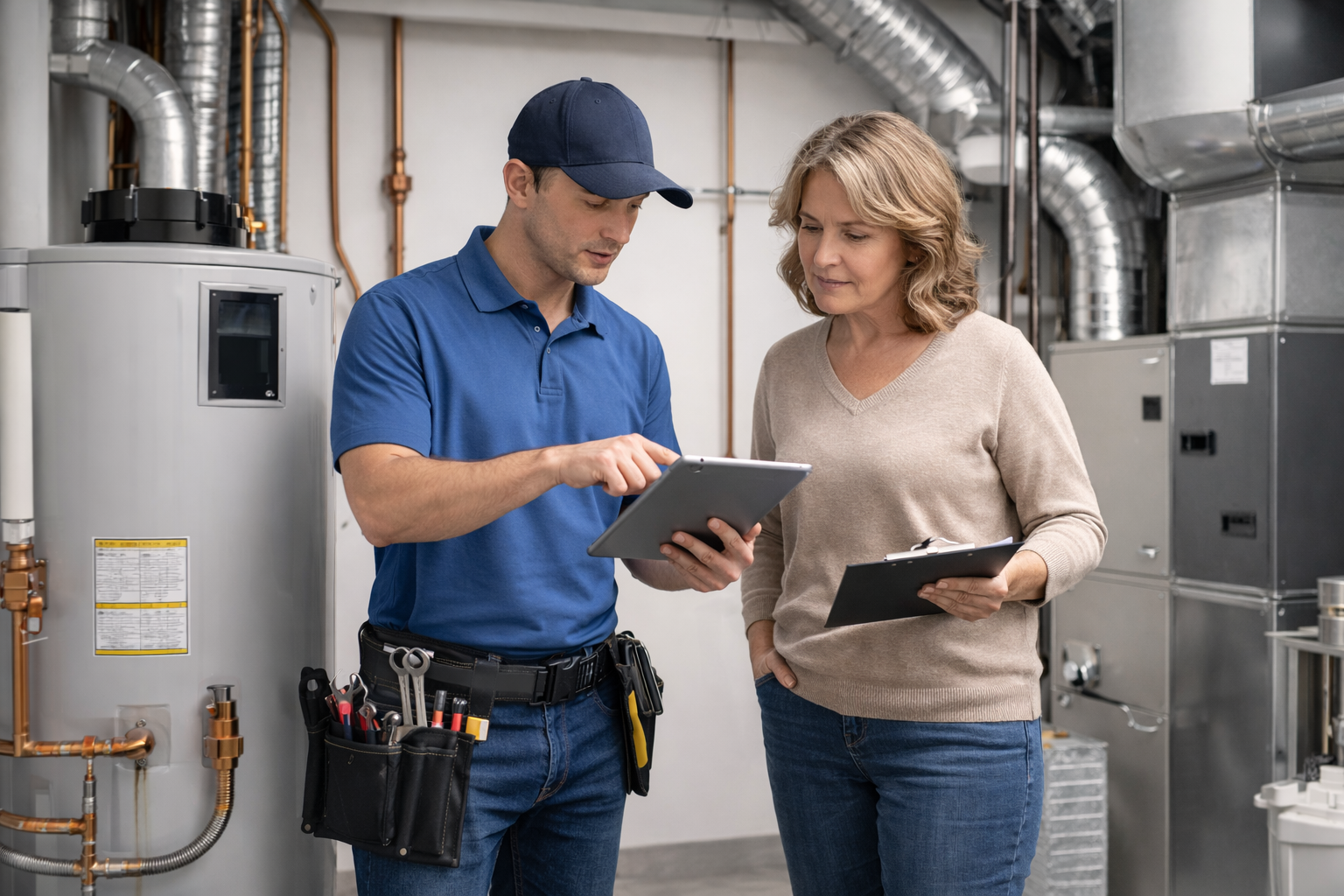
Heating and cooling systems are complex machines that require specialized tools and training. If something seems off, it’s best to have the system evaluated before the problem worsens.
Common HVAC issues include:
Air Conditioner Not Cooling Properly
If your system runs but doesn’t cool your home effectively, it may need professional AC repair. Problems could involve refrigerant levels, compressors, airflow restrictions, or thermostat issues.
Weak Airflow
Poor airflow can be caused by clogged filters, duct issues, or mechanical problems inside the system. Routine AC maintenance and tune-ups often help prevent these issues.
Furnace Not Heating
A furnace that struggles to maintain temperature or cycles on and off frequently may need professional furnace repair to restore safe operation.
Rising Energy Bills
If heating or cooling costs increase without explanation, an inefficient system may be working harder than necessary. Regular HVAC maintenance and tune-ups can help restore efficiency and extend system lifespan.
Uneven Temperatures Throughout the Home
Rooms that are too hot or too cold often indicate airflow or equipment issues that require professional HVAC diagnostics.
When Plumbing and HVAC Systems Overlap
Some home systems involve both plumbing and HVAC components, which can make it confusing to know who to call.
For example:
Heat Pumps
Heat pumps provide both heating and cooling and require specialized service. Issues with these systems often require professional heat pump repair and installation.
Indoor Air Quality Systems
Humidity control, filtration, and ventilation systems affect both comfort and health. Professional solutions for improving indoor air quality help remove contaminants and improve airflow.
System Installations and Replacements
Older systems sometimes require full replacement rather than repair. HVAC professionals can help homeowners choose efficient equipment through services like HVAC installation and replacement.
Why Professional Service Matters
DIY repairs can be tempting, but plumbing and HVAC systems involve complex components, safety considerations, and specialized equipment.
Professional technicians can:
-
Diagnose problems accurately
-
Prevent additional damage
-
Ensure repairs meet safety standards
-
Improve system efficiency and longevity
-
Recommend upgrades when systems reach the end of their lifespan
Working with experienced professionals also helps homeowners avoid temporary fixes that lead to bigger problems later.
Choosing the Right Professional for Your Home
When something goes wrong in your home, the first step is identifying whether the issue involves water systems or heating and cooling systems.
In general:
Call a plumber if the issue involves:
-
Leaks or pipe damage
-
Water heaters
-
Drain clogs
-
Sewer or water line issues
-
Sump pumps or flooding
Call an HVAC professional if the issue involves:
-
Air conditioning problems
-
Furnace issues
-
Poor airflow or ventilation
-
Temperature control problems
-
Indoor air quality concerns
If you’re unsure which system is causing the issue, a professional technician can help diagnose the problem and recommend the right solution.
If your home is experiencing plumbing or HVAC issues, the team at Waymaker Plumbing, Heating & Cooling can help identify the problem and recommend reliable solutions.
You can also learn more about the company’s experience and service approach by visiting the About page or reading feedback from homeowners on the reviews page.
TL;DR / Key Takeaways
-
Plumbing systems handle water supply, drainage, and fixtures, while HVAC systems manage heating, cooling, and air circulation.
-
Call a plumber for leaks, clogged drains, pipe damage, sump pump issues, or water heater problems.
-
Call an HVAC professional for AC issues, furnace problems, airflow concerns, or uneven temperatures.
-
Some systems—like heat pumps and air quality equipment—overlap between plumbing and HVAC expertise.